Ovarian Cancer Cytoreductive Surgery
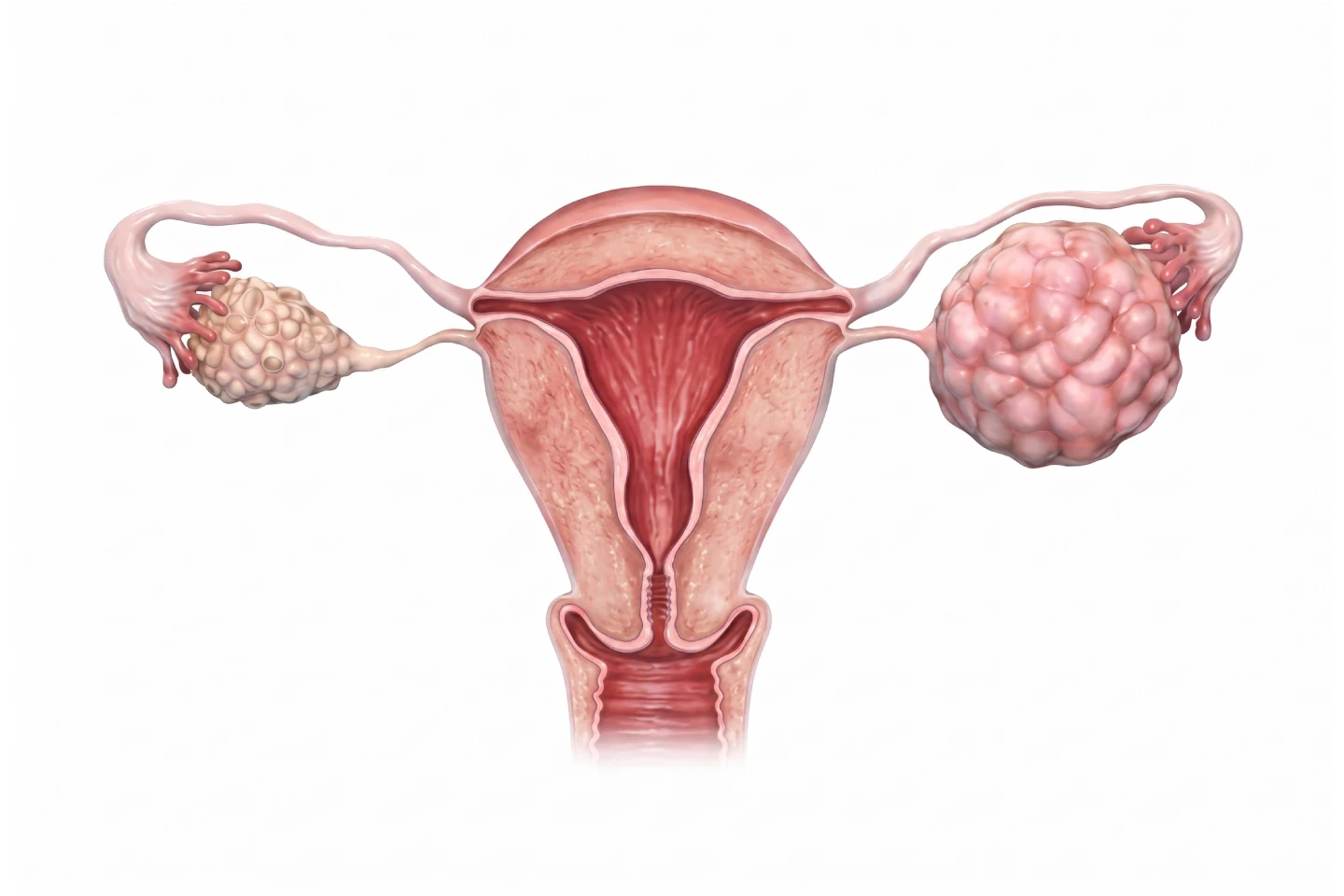
A diagnosis of ovarian cancer can feel overwhelming, often bringing uncertainty and many questions about what lies ahead. Understanding your treatment options can help you feel more in control during this time. One of the most important steps in managing advanced ovarian cancer is cytoreductive surgery.
With the care and guidance of Dr. Nirmala Rai, the focus is on helping you move forward with clarity, confidence, and personalised support. Every treatment plan is designed around your specific condition, ensuring that you receive care that is both effective and compassionate.
What Is Cytoreductive Surgery?
Cytoreductive surgery, also known as debulking surgery, is performed to remove as much of the visible cancer as possible. Ovarian cancer can often spread within the abdomen before it is detected, which makes this procedure a key part of treatment.
By reducing the tumour burden, this surgery helps improve the effectiveness of additional treatments, such as chemotherapy. The aim is always to leave behind minimal or no visible disease, as this is closely linked to better outcomes.
When Is This Surgery Recommended?
Cytoreductive surgery is usually advised when ovarian cancer has spread beyond the ovaries but can still be actively treated.
Depending on your individual situation, it may be:
- The first step in treatment
- Performed after initial chemotherapy to shrink the tumour
- Considered in certain cases where the cancer has returned
The decision is based on several factors, including the stage of cancer, your overall health, and how your body is responding to treatment.
What Does the Procedure Involve?
This surgery is carefully planned and tailored to the extent of the disease.
It may involve removing:
- The ovaries and fallopian tubes
- The uterus
- The omentum (a fatty layer inside the abdomen)
- Visible tumour deposits from the abdominal or pelvic area
In some cases, small portions of nearby organs may also need to be removed to achieve the best possible outcome. While this may sound extensive, the goal is always to maximise treatment effectiveness.
Why Is It Important?
Ovarian cancer can progress quietly, often spreading before noticeable symptoms appear. Cytoreductive surgery plays a crucial role by removing as much of the disease as possible.
Patients who have minimal remaining cancer after surgery often respond better to chemotherapy and tend to have improved long-term outcomes. This makes the procedure a key part of a comprehensive treatment plan.
Recovery and Aftercare
Recovery takes time, and each patient’s experience is unique. You may need a short hospital stay, followed by a gradual return to your daily routine.
During recovery, care focuses on:
- Monitoring healing and overall health
- Planning further treatment, such as chemotherapy
- Guiding nutrition and strength recovery
Ongoing support ensures that you feel cared for not just physically, but emotionally as well.
Risks and Considerations
As with any major surgery, there are certain risks, such as infection, bleeding, or temporary changes in the digestive system. These are carefully managed with thorough planning and post-operative care.
Before the procedure, everything is explained clearly so that you feel informed, prepared, and comfortable with your treatment plan.
A Personalised Approach to Your Care
Cancer care is deeply personal. The approach taken by Dr. Nirmala Rai is centred on understanding your concerns, answering your questions, and guiding you through each step with honesty and compassion.
You are not just treated for the condition, but supported throughout the entire journey.
Frequently Asked Questions
Q: Is cytoreductive surgery a cure for ovarian cancer?
A: Cytoreductive surgery is not always a complete cure, but it plays a crucial role in controlling the disease and improving the effectiveness of further treatments like chemotherapy.
Q: How long does recovery take after the surgery?
A: Recovery can vary, but most patients take a few weeks to return to their normal routine gradually. Full recovery may take longer, depending on the extent of the surgery.
Q: Will I need chemotherapy after surgery?
A: In most cases, chemotherapy is recommended after surgery to target any remaining cancer cells and reduce the risk of recurrence.
Q: Is the surgery safe?
A: While it is a major procedure, it is carefully planned and performed with safety in mind. Risks are discussed in detail beforehand so you feel fully informed.
Q: Can this surgery be done in all ovarian cancer cases?
A: Not always. The decision depends on factors such as the stage of cancer, the spread of the disease, and overall health. Your treatment plan is always personalised.
Take the Next Step Towards Expert Care
If you or a loved one has been diagnosed with ovarian cancer or has been advised to consider cytoreductive surgery, consulting Dr. Nirmala Rai can help you move forward with clarity and confidence.
With personalised guidance, careful planning, and compassionate support, you can take the next step in your treatment journey feeling informed and reassured.




Experience trusted women’s healthcare with Dr. Nirmala Rai, delivering personalised treatment, advanced expertise, and compassionate support at every step.


© 2026 | Dr. Nirmala Rai | All rights reserved | Digital Marketing by Remedo