
Gynaecologic Cancer Diagnosis & Treatment
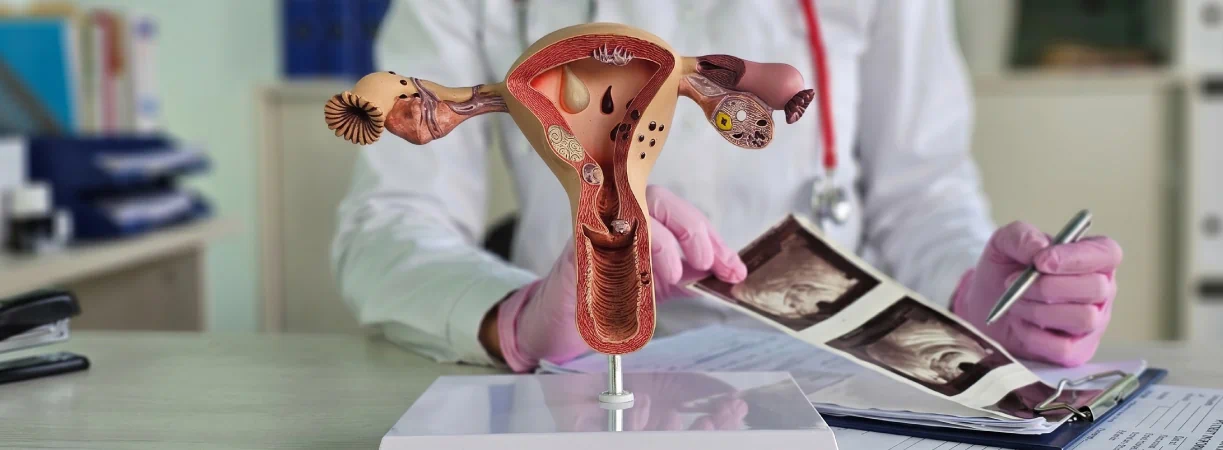
When it comes to women’s health, cancers affecting the reproductive organs require a highly specialised, compassionate, and multidisciplinary approach. These cancers, often referred to as gynaecologic cancers, can impact the cervix, ovaries, uterus, fallopian tubes, vagina, and vulva. Early detection, accurate diagnosis, and personalised treatment are critical for improving outcomes and quality of life.
At SPARSH Hospital on Hennur Road, Dr. Nirmala Rai offers expert care focused on the specialised diagnosis and treatment of cancers affecting female reproductive organs, combining advanced medical technology with patient-centred care.
Understanding Gynaecologic Cancers
Gynaecologic cancers originate in the female reproductive system and vary widely in their symptoms, progression, and treatment options. The most common types include:
- Cervical Cancer – Develops in the cervix, often linked to persistent HPV infection
- Ovarian Cancer – Begins in the ovaries and is often diagnosed at a later stage
- Uterine (Endometrial) Cancer – Affects the lining of the uterus
- Vaginal and Vulvar Cancers – Less common but require specialised care
Each type of cancer has unique characteristics, making early detection and precise diagnosis essential for effective treatment.
Why Specialised Care Matters
Gynaecologic cancers are complex and require a tailored approach that considers the patient’s age, stage of cancer, reproductive goals, and overall health. Specialised oncology care ensures:
- Accurate diagnosis using advanced imaging and pathology
- Personalised treatment plans
- Access to the latest therapies and surgical techniques
- Comprehensive emotional and supportive care
Under the expertise of Dr. Nirmala Rai, patients receive evidence-based care that prioritises both medical outcomes and quality of life.
Advanced Diagnostic Approaches
Early and precise diagnosis is the cornerstone of successful cancer treatment. At SPARSH Hospital, a range of advanced diagnostic tools is used to detect and evaluate gynaecologic cancers
1. Screening and Early Detection
- Pap smear tests for cervical cancer
- HPV testing
- Routine pelvic examinations
2. Imaging Techniques
- Ultrasound for initial evaluation
- CT scans and MRI for detailed imaging
- PET scans for detecting cancer spread
3. Biopsy and Pathology
- Tissue sampling to confirm diagnosis
- Histopathological analysis to determine cancer type and grade
4. Genetic Testing
- Identifying inherited cancer risks (e.g., BRCA mutations)
- Helping guide targeted therapies
These diagnostic tools enable accurate staging and help design the most effective treatment plan.
Personalised Treatment Options
Treatment for gynaecologic cancers is never one-size-fits-all. It depends on multiple factors, including cancer type, stage, and patient preferences. The care approach followed by Dr. Nirmala Rai includes:
1. Surgical Treatment
Surgery is often the first line of treatment for many gynaecologic cancers. Procedures may include:
- Hysterectomy (removal of the uterus)
- Oophorectomy (removal of ovaries)
- Lymph node dissection
- Minimally invasive laparoscopic or robotic surgeries
The goal is to remove cancerous tissue while preserving as much healthy tissue as possible.
2. Chemotherapy
Chemotherapy uses powerful drugs to kill cancer cells or stop their growth. It may be used:
- Before surgery (neoadjuvant therapy)
- After surgery (adjuvant therapy)
- As the main treatment for advanced cancers
Modern chemotherapy protocols aim to maximise effectiveness while minimising side effects.
3. Radiation Therapy
Radiation therapy uses high-energy rays to target and destroy cancer cells. It is commonly used in:
- Cervical cancer treatment
- Post-surgical cancer management
- Cases where surgery is not feasible
Techniques such as image-guided radiation therapy (IGRT) ensure precision and safety.
4. Targeted Therapy
Targeted therapy focuses on specific molecules involved in cancer growth. It offers:
- Greater precision
- Fewer side effects compared to traditional chemotherapy
- Improved outcomes for certain cancers, like ovarian cancer
5. Immunotherapy
Immunotherapy helps the body’s immune system recognise and fight cancer cells. It is an evolving treatment option that shows promise in several gynaecologic cancers.
Multidisciplinary Approach to Care
Effective cancer treatment requires collaboration among specialists. At SPARSH Hospital, patients benefit from a multidisciplinary team that includes:
- Medical oncologists
- Surgical oncologists
- Radiation oncologists
- Pathologists
- Radiologists
- Nutritionists and counsellors
This team-based approach ensures comprehensive care at every stage of the treatment journey.
Focus on Fertility Preservation
For younger women diagnosed with gynaecologic cancers, fertility preservation can be a major concern. Specialised care includes:
- Fertility-sparing surgeries when possible
- Egg or embryo freezing
- Hormonal treatments to protect ovarian function
Dr. Nirmala Rai carefully discusses these options with patients to help them make informed decisions.
Managing Side Effects and Recovery
Cancer treatment can bring physical and emotional challenges. Comprehensive care includes:
Physical Support
- Pain management
- Nutritional guidance
- Rehabilitation therapies
Emotional Support
- Counselling services
- Support groups
- Stress management techniques
Long-Term Follow-Up
Regular follow-ups are essential for monitoring recovery, detecting recurrence, and ensuring overall well-being.
Importance of Early Detection
Early detection significantly improves survival rates for gynaecologic cancers. Women are encouraged to:
- Attend regular health check-ups
- Get routine Pap smears and screenings
- Be aware of symptoms like abnormal bleeding, pelvic pain, or bloating
Prompt medical attention can make a life-saving difference.
Why Choose Specialised Oncology Care in Bengaluru
Choosing the right oncologist and facility is crucial to cancer treatment outcomes. At SPARSH Hospital, patients benefit from:
- Advanced diagnostic and treatment technology
- Personalised care plans
- Experienced oncology specialists
- Patient-focused approach
With expertise in managing complex gynaecologic cancers, Dr. Nirmala Rai is committed to delivering compassionate and comprehensive cancer care.
A Patient-Centred Approach to Healing
Every cancer journey is unique. Beyond medical treatment, the focus is on empowering patients with knowledge, emotional support, and a clear path forward. From diagnosis to recovery, the goal is to provide care that is:
- Compassionate
- Transparent
- Holistic
- Outcome-driven
Take the First Step Toward Better Health
If you or a loved one is experiencing symptoms or has been diagnosed with a gynaecologic cancer, early consultation with a specialist can make all the difference. With advanced diagnostic capabilities and personalised treatment strategies, expert care is within reach.
Consult Dr. Nirmala Rai at SPARSH Hospital for specialised diagnosis and treatment of cancers affecting the female reproductive organs, and take a confident step toward recovery and well-being.




Experience trusted women’s healthcare with Dr. Nirmala Rai, delivering personalised treatment, advanced expertise, and compassionate support at every step.


© 2026 | Dr. Nirmala Rai | All rights reserved | Digital Marketing by Remedo