
Laparoscopic Surgery & Sentinel Node Biopsy
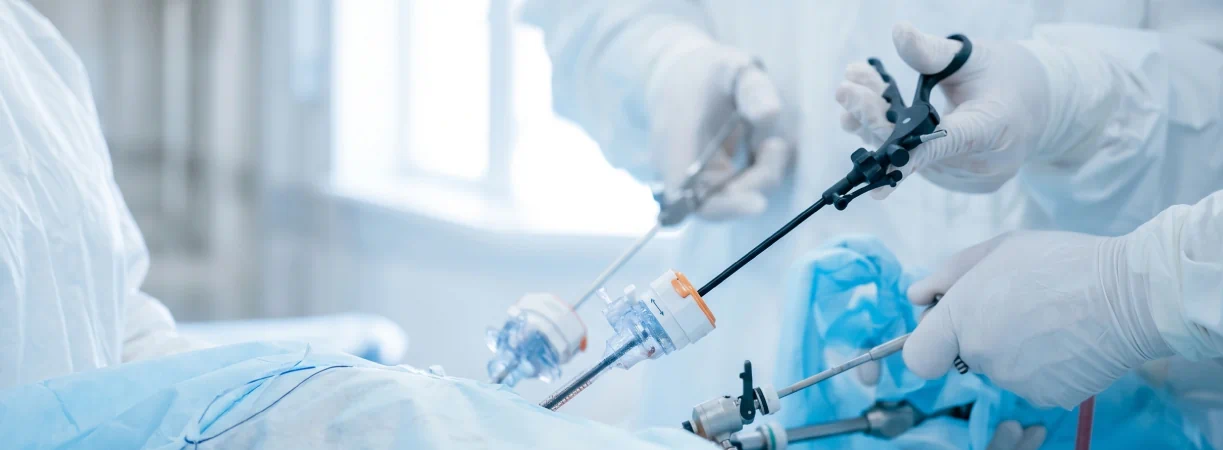
Endometrial cancer is among the most common gynaecologic cancers, primarily affecting the uterus lining. Advances in surgical techniques have made treatment more precise, less invasive, and faster. Notably, advanced laparoscopic surgery with sentinel lymph node biopsy has transformed endometrial cancer management.
Patients receive cutting-edge, minimally invasive treatment under the expert care of Dr. Nirmala Rai, an oncologist. This approach ensures both effective cancer removal and accurate staging.
Understanding Endometrial Cancer
Originating in the inner lining of the uterus—the endometrium—endometrial cancer is most frequently diagnosed after menopause. However, there are cases where it emerges earlier.
Common risk factors include:
- Obesity
- Hormonal imbalance
- Diabetes
- Family history of cancer
- Prolonged estrogen exposure
Dr. Nirmala Rai, an oncologist, emphasises that early detection is crucial for successful treatment and improved survival outcomes.
Role of Surgery in Endometrial Cancer
Surgery is the primary treatment for most cases of endometrial cancer. It serves two important purposes:
- Removal of cancerous tissue
- Determination of the stage of the disease
Open surgery was once the standard approach. With advancements in medical technology, however, techniques such as laparoscopic surgery have become the preferred minimally invasive option.
What Is Advanced Laparoscopic Surgery
Using small incisions, specialised instruments, and a camera, surgeons perform advanced laparoscopic surgery, a minimally invasive technique.
During the procedure:
- A laparoscope is inserted through a small incision.
- High-resolution images are displayed on a monitor.
- Surgical instruments are used to remove the uterus and affected tissues.
This approach minimises damage to surrounding structures and allows for precise surgical intervention.
Dr. Nirmala Rai, an oncologist, utilises advanced laparoscopic techniques to achieve optimal outcomes while reducing patient discomfort.
Benefits of Laparoscopic Surgery
Compared to open surgery, laparoscopic surgery offers several advantages:
- Smaller incisions and minimal scarring
- Reduced blood loss
- Lower risk of infection
- Shorter hospital stay
- Faster recovery and return to normal activity.
Dr. Nirmala Rai, an oncologist, offers patients these advantages while also providing personalised care and attention.
What Is Sentinel Lymph Node Biopsy
Sentinel lymph node biopsy is an advanced technique used to determine whether cancer has spread to the lymph nodes.
As the first stop for cancer cells spreading from the primary tumour, the sentinel lymph node serves as a key indicator. Rather than removing multiple lymph nodes, clinicians use this targeted approach to identify and examine only the important nodes.
How Sentinel Lymph Node Biopsy Is Performed
During surgery:
- A special dye or tracer is injected near the tumour.
- The dye travels to the sentinel lymph nodes.
- These nodes are identified and removed.
- The nodes are examined for cancer cells.
If the sentinel nodes show no signs of cancer, the remaining lymph nodes are likely unaffected as well.
Dr. Nirmala Rai, an oncologist, combines sentinel lymph node biopsy with laparoscopy to achieve precise staging and reduce unnecessary procedures.
Advantages of Sentinel Lymph Node Biopsy
This technique offers several important benefits:
- Avoids the removal of multiple lymph nodes
- Reduces the risk of complications such as lymphedema
- Provides accurate staging information
- Shortens recovery time
Using this approach, Dr. Nirmala Rai, oncologist, ensures patients receive effective treatment with fewer side effects.
Combining Laparoscopic Surgery with Sentinel Node Biopsy
Advanced laparoscopic surgery combined with sentinel lymph node biopsy offers a modern, patient-friendly approach to endometrial cancer treatment.
This integrated method allows:
- Complete removal of the tumor
- Accurate assessment of cancer spread
- Reduced surgical trauma
- Improved recovery experience
Dr. Nirmala Rai, oncologist, uses this approach to deliver evidence-based care.
Patient Selection and Preparation
Not all patients are candidates for laparoscopic surgery. Selection depends on:
- Stage and extent of cancer
- Overall health condition
- Previous surgeries
- Body weight and anatomy
Dr. Nirmala Rai, an oncologist, conducts a thorough evaluation to determine the most suitable treatment plan for each patient.
Preoperative preparation may include:
- Blood tests and imaging
- Medical clearance
- Counselling about the procedure and recovery
Recovery and Postoperative Care
Recovery after laparoscopic surgery is usually quicker than with open surgery.
Patients can expect:
- Short hospital stay
- Mild postoperative pain
- Early mobilisation
- Faster return to daily activities
Follow-up care is essential to monitor healing and determine if further treatment, such as radiation or chemotherapy, is needed.
Dr. Nirmala Rai, an oncologist, provides thorough postoperative guidance and ongoing support for recovery.
Potential Risks and Complications
While laparoscopic surgery and sentinel lymph node biopsy are safe, like any surgical procedure, they may carry some risks.
Possible complications include:
- Infection
- Bleeding
- Injury to the surrounding organs
- Reaction to anaesthesia
However, these risks are significantly reduced when an experienced specialist, such as Dr. Nirmala Rai, an oncologist, performs the procedure.
Importance of Accurate Staging
Accurate staging is vital for determining treatment steps.
It helps in:
- Deciding the need for additional therapy
- Predicting prognosis
- Planning long-term follow-up
Sentinel lymph node biopsy plays a key role in achieving precise staging without unnecessary surgical intervention.
Dr. Nirmala Rai, an oncologist, ensures each patient receives a tailored treatment strategy.
Advancing toward Better Outcomes
The integration of advanced laparoscopic surgery and sentinel lymph node biopsy has significantly improved outcomes for patients with endometrial cancer.
These techniques increase surgical precision and improve patient experience by reducing recovery time and complications.
With expertise and a patient-focused approach, Dr. Nirmala Rai, an oncologist, offers state-of-the-art treatment options that prioritise both effectiveness and quality of life.
A Step toward Safer and Smarter Cancer Care
Cancer care today prioritises less invasive and more targeted treatments. Advanced laparoscopic surgery, when combined with sentinel lymph node biopsy, marks a significant step forward in this evolution.
By focusing on precision, safety, and patient comfort, oncologist Dr. Nirmala Rai helps patients navigate their treatment journey with confidence.
Early diagnosis, expert surgical care, and comprehensive follow-up together create the foundation for successful outcomes in endometrial cancer management.




Experience trusted women’s healthcare with Dr. Nirmala Rai, delivering personalised treatment, advanced expertise, and compassionate support at every step.


© 2026 | Dr. Nirmala Rai | All rights reserved | Digital Marketing by Remedo