
Colposcopy and Hysteroscopy
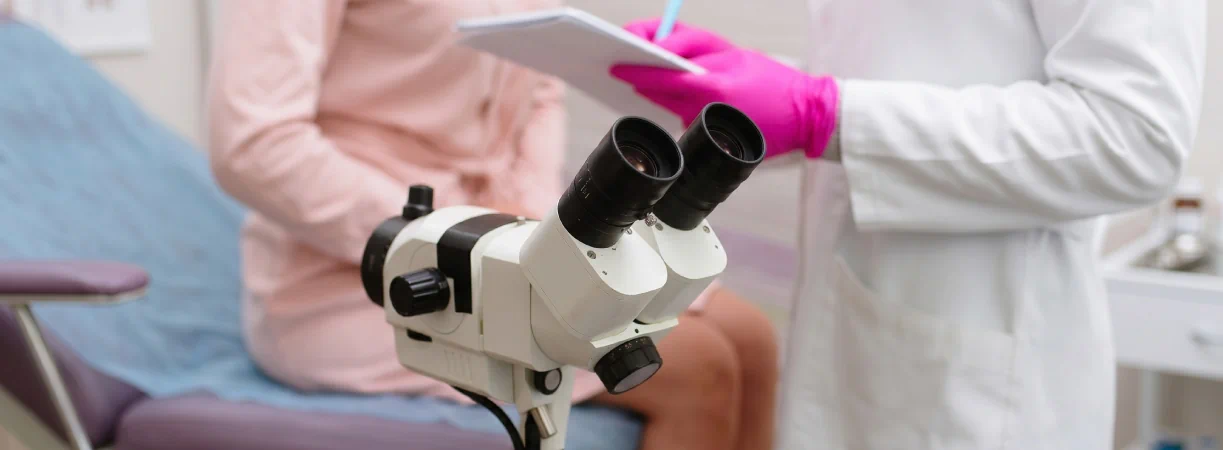
Precancerous conditions of the female reproductive system are an important area of concern in women’s health. These conditions involve abnormal cellular changes that, if left untreated, may develop into cancer over time. With advancements in medical technology, early detection and timely management have become highly effective. Procedures such as colposcopy and hysteroscopy play a critical role in identifying and treating these changes before they progress.
Under the expert guidance of Dr. Nirmala Rai, an oncologist, patients can access comprehensive diagnostic and therapeutic services tailored to detect and manage precancerous lesions of the cervix, vagina, and uterus with precision and care.
Understanding Precancerous Conditions
Precancerous conditions refer to abnormal changes in the cells lining the cervix, vagina, or uterus. These changes are not cancer, but have the potential to become cancer if not monitored or treated appropriately.
Common examples include:
- Cervical intraepithelial neoplasia
- Vaginal intraepithelial neoplasia
- Endometrial hyperplasia
These conditions are often detected through routine screening tests such as Pap smears or imaging studies. Early detection significantly reduces the risk of progression to invasive cancer.
Dr. Nirmala Rai, an oncologist, emphasises the importance of regular gynaecological checkups, especially for women with risk factors such as HPV infection, hormonal imbalances, or a family history of gynaecological cancers.
What Is Colposcopy?
Colposcopy is a specialised diagnostic procedure used to closely examine the cervix, vagina, and vulva using a colposcope, which is a magnifying instrument with a light source. It allows doctors to identify abnormal areas that may not be visible to the naked eye.
When Is Colposcopy Recommended
Colposcopy is typically advised in the following situations:
- Abnormal Pap smear results
- Positive HPV test
- Unexplained vaginal bleeding
- Suspicious lesions observed during pelvic examination
Dr. Nirmala Rai, an oncologist, carefully evaluates each case to determine whether colposcopy is needed and ensures that patients understand the purpose and process of the procedure.
How Colposcopy Is Performed
Colposcopy is usually done as an outpatient procedure and does not require anaesthesia.
During the procedure:
- The patient lies on an examination table, similar to that used for a routine pelvic exam.
- A speculum is inserted to visualise the cervix.
- A mild solution is applied to highlight abnormal cells.
- The colposcope is positioned outside the body to magnify the area of interest.
- If needed, a biopsy is taken from suspicious areas.
The procedure typically takes 10 to 20 minutes and is well tolerated by most patients.
Benefits of Colposcopy
Colposcopy offers several advantages in the management of precancerous conditions:
- Early detection of abnormal cells
- Targeted biopsy for accurate diagnosis
- Non-invasive and quick procedure
- Helps guide further treatment decisions
With expertise in gynaecologic oncology, Dr. Nirmala Rai, an oncologist, ensures that colposcopy is performed with high precision, minimising discomfort and maximising diagnostic accuracy.
What Is Hysteroscopy?
Hysteroscopy is another advanced procedure used to examine the inside of the uterus. It involves the use of a thin, lighted instrument called a hysteroscope, which is inserted through the vagina and cervix into the uterine cavity.
This procedure is particularly useful for evaluating abnormalities within the uterus, including those associated with precancerous conditions.
Indications for Hysteroscopy
Hysteroscopy is recommended in cases such as:
- Abnormal uterine bleeding
- Thickened endometrium
- Suspected endometrial hyperplasia
- Detection of polyps or fibroids
- Evaluation of infertility
Dr. Nirmala Rai, an oncologist, uses hysteroscopy as both a diagnostic and therapeutic tool, ensuring comprehensive care for patients with uterine abnormalities.
Procedure of Hysteroscopy
Hysteroscopy may be performed in a clinic or hospital setting, depending on the case's complexity. The steps include:
- Insertion of the hysteroscope through the cervix
- Expansion of the uterus using fluid or gas for better visualisation
- Inspection of the uterine lining for abnormalities
- Removal or biopsy of suspicious tissue if needed
The procedure may be performed under local or general anaesthesia, depending on patient comfort and clinical requirements.
Advantages of Hysteroscopy
Hysteroscopy provides several important benefits:
- Direct visualisation of the uterine cavity
- Accurate diagnosis of endometrial abnormalities
- Ability to perform treatment during the same procedure
- Minimally invasive with quick recovery
With extensive experience, Dr. Nirmala Rai, an oncologist, ensures that hysteroscopy is performed safely and effectively, offering patients both diagnostic clarity and immediate intervention when required.
Role in Managing Precancerous Conditions
Both colposcopy and hysteroscopy are essential tools in the early detection and management of precancerous conditions.
Cervical and Vaginal Lesions
Colposcopy allows for:
- Identification of abnormal epithelial changes
- Guided biopsy for histopathological confirmation
- Monitoring of mild lesions
- Planning of treatments such as cryotherapy or excision
Uterine Conditions
Hysteroscopy helps in:
- Diagnosing endometrial hyperplasia
- Detecting precancerous polyps
- Performing targeted biopsies
- Removing abnormal tissue
Dr. Nirmala Rai, an oncologist, integrates these procedures into a comprehensive treatment plan, ensuring timely intervention and reducing the risk of cancer progression.
Treatment Options following Diagnosis
Once a precancerous condition is confirmed, treatment depends on the severity and location of the abnormality.
Possible treatments include:
- Observation and regular follow-up for mild cases.
- Medical management, such as hormonal therapy
- Minimally invasive procedures like LEEP or ablation
- Surgical removal of abnormal tissue
Dr. Nirmala Rai, an oncologist, carefully tailors treatment plans based on individual patient needs, ensuring optimal outcomes with minimal disruption to daily life.
Importance of Early Detection
Early detection of precancerous conditions is crucial for successful treatment. Many of these conditions do not cause noticeable symptoms in the early stages.
Regular screenings, including Pap smears and imaging when indicated, can help identify abnormalities early. When detected at a precancerous stage, treatment is often simpler, less invasive, and highly effective.
Dr. Nirmala Rai, an oncologist, strongly advocates preventive care and encourages women to prioritise routine gynaecological evaluations.
Patient Experience and Recovery
Both colposcopy and hysteroscopy are minimally invasive procedures with relatively quick recovery times.
After Colposcopy
- Mild spotting may occur.
- Patients can resume normal activities the same day.
- Biopsy results are usually available within a few days.
After Hysteroscopy
- Mild cramping or spotting is common.
- Most patients recover within a day or two.
- Follow-up visits are scheduled to discuss findings and treatment.
Dr. Nirmala Rai, an oncologist, ensures that patients receive detailed post-procedure guidance and support throughout their recovery.
When to Consult a Specialist
Women should consider consulting a specialist if they experience:
- Irregular or heavy menstrual bleeding
- Post menopausal bleeding
- Abnormal Pap smear results
- Persistent pelvic pain
- Unusual vaginal discharge
Early consultation with an expert, such as oncologist Dr. Nirmala Rai, can lead to timely diagnosis and effective management of potential precancerous conditions.
A Proactive Approach to Women’s Health
Colposcopy and hysteroscopy have transformed the way precancerous gynaecological conditions are diagnosed and treated. These procedures offer a safe, accurate, and minimally invasive approach to identifying abnormalities before they develop into cancer.
With a patient-centred approach and oncology expertise, Dr. Nirmala Rai provides comprehensive care focused on early detection, precise diagnosis, and effective treatment. By combining advanced technology with compassionate care, patients can feel confident in their journey toward better health.
The Importance of Timely Screening and Expert Care
Precancerous conditions of the cervix, vagina, and uterus require timely attention and expert management. Procedures like colposcopy and hysteroscopy play a vital role in preventing the progression to cancer.
Through regular screenings, early diagnosis, and appropriate treatment, women can significantly reduce their risk and maintain optimal reproductive health. Consulting an experienced specialist such as Dr. Nirmala Rai, an oncologist, ensures access to the highest standard of care and the best possible outcomes.
Taking proactive steps today can make a meaningful difference in long-term health and well-being.




Experience trusted women’s healthcare with Dr. Nirmala Rai, delivering personalised treatment, advanced expertise, and compassionate support at every step.


© 2026 | Dr. Nirmala Rai | All rights reserved | Digital Marketing by Remedo