
Signs of Uterine and Cervical Cancer
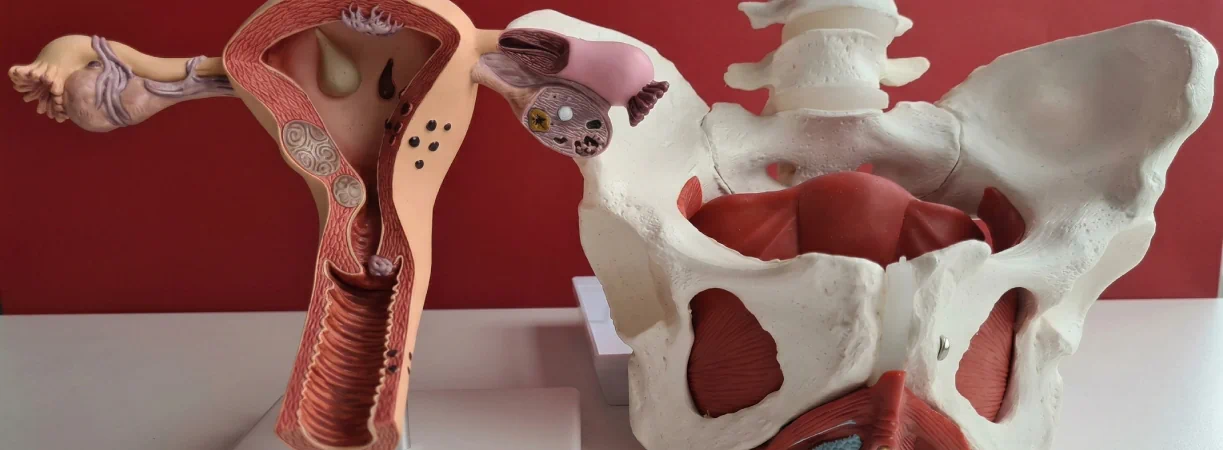
Uterine and cervical cancers are common gynaecologic cancers. While serious, early detection significantly improves treatment outcomes. Recognising warning signs and seeking prompt care is essential for early diagnosis.
Guided by oncologist Dr. Nirmala Rai, awareness and early evaluation are key to detecting these cancers when treatment is most effective.
Understanding Uterine And Cervical Cancer
Uterine cancer usually begins in the lining of the uterus, known as the endometrium. Cervical cancer develops in the cells of the cervix, which is the lower part of the uterus connecting to the vagina.
Both cancers may develop slowly and often start as precancerous changes. Early recognition of symptoms can help prevent progression to advanced disease.
Dr. Nirmala Rai, an oncologist, emphasises that regular screenings and awareness of symptoms are vital for women’s health.
Common Signs Of Uterine Cancer
Uterine cancer often presents noticeable symptoms early.
Abnormal Vaginal Bleeding
This is the most common symptom. It may include:
- Bleeding after menopause
- Bleeding between periods
- Heavier or prolonged menstrual cycles
- Pelvic Pain or Pressure
Persistent lower abdominal discomfort or pressure should not be ignored.
Unusual Vaginal Discharge
Watery or blood-tinged discharge without infection may be a warning sign.
Pain During Intercourse
Pain during sexual activity can indicate underlying issues.
Unexplained Weight Loss
Unexpected weight loss may signal advanced disease.
Dr. Nirmala Rai, an oncologist, advises that any abnormal bleeding, especially after menopause, should be evaluated immediately.
Common Signs Of Cervical Cancer
Cervical cancer may not show symptoms early, making screening crucial. As the disease advances, symptoms may emerge.
Abnormal Vaginal Bleeding
- Bleeding after intercourse
- Bleeding between periods
- Postmenopausal bleeding
- Foul-Smelling Vaginal Discharge
Persistent discharge that may be watery, bloody, or have an unusual odour.
Pelvic Pain
Chronic pelvic pain is not related to menstrual cycles.
Pain During Intercourse
A common symptom in advanced stages.
Leg Pain Or Swelling
In advanced cases, cancer can affect nearby tissues and cause leg pain.
Dr. Nirmala Rai, an oncologist, emphasises that even mild or occasional symptoms should not be overlooked.
Key Differences in Symptoms
While uterine and cervical cancers share symptoms, subtle differences exist:
- Uterine cancer often presents early with abnormal bleeding.
- Cervical cancer may not cause symptoms in early stages and is often first found during screening, with symptoms such as foul-smelling discharge and leg discomfort appearing as the disease progresses.
Knowing these differences helps with timely recognition and diagnosis.
When to Seek Medical Help
It is important to consult a doctor if you experience:
- Any abnormal vaginal bleeding
- Persistent pelvic pain
- Unusual vaginal discharge
- Bleeding after menopause
- Pain during intercourse
Early consultation with an expert, such as oncologist Dr. Nirmala Rai, can lead to prompt diagnosis and effective treatment.
Importance of Regular Screening
Screening is vital, especially for cervical cancer.
Pap Smear
Detects abnormal cells before cancer develops.
HPV Testing
Identifies high-risk virus strains associated with cervical cancer.
While there is no standard screening test for uterine cancer, early symptoms such as abnormal bleeding often help in early detection.
Dr. Nirmala Rai, an oncologist, strongly recommends regular checkups as part of preventive care.
Risk Factors to Be Aware of
Certain factors may increase the risk of developing uterine or cervical cancer:
For Uterine Cancer:
- Obesity
- Hormonal imbalance
- Diabetes
- Family history
For Cervical Cancer:
- HPV infection
- Early sexual activity
- Multiple partners
- Smoking
Being aware of these risks helps inform preventive steps.
How Early Detection Improves Outcomes
Detecting cancer at an early stage offers several advantages:
- More treatment options
- Less invasive procedures
- Higher success rates
- Better quality of life
Dr. Nirmala Rai, an oncologist, focuses on early diagnosis to ensure the best possible outcomes for patients.
Preventive Measures
While not all cancers can be prevented, certain steps can reduce risk:
- Regular gynaecological checkups
- Timely Pap smears and HPV testing
- Maintaining a healthy weight
- Practising safe sexual habits
- Avoiding smoking
Prevention and early detection are vital for women’s health.
A Proactive Approach to Women’s Health
Awareness and regular screenings form the basis for early cancer detection and successful treatment.
With expert care and a patient-centred approach, Dr. Nirmala Rai, an oncologist, helps women navigate their health journey with confidence and clarity.
FAQs
Q: What is the earliest sign of uterine cancer?
A: The most common early sign is abnormal bleeding, especially after menopause.
Q: Does cervical cancer always cause symptoms early?
A: No, early cervical cancer often has no symptoms, so regular screening is important.
Q: Is bleeding after menopause always cancer?
A: Not always, but it should always be checked by a doctor to rule out serious issues.
Q: Can young women get cervical cancer?
A: Yes, especially if risk factors like HPV infection are present.
Q: When should I get a Pap smear?
A: It is generally recommended to start from the age of 21 and at regular intervals as advised by your doctor.
Q: Can these cancers be prevented?
A: While not totally preventable, regular screening and healthy habits lower the risk.
Take Charge of Your Health Today
Recognising the signs of uterine and cervical cancer and seeking timely care can make a life-saving difference. Do not ignore symptoms or delay consultations.
With the expertise of Dr. Nirmala Rai, an oncologist, patients receive accurate diagnosis, compassionate care, and effective treatment options.
Early action leads to better outcomes and a healthier future.




Experience trusted women’s healthcare with Dr. Nirmala Rai, delivering personalised treatment, advanced expertise, and compassionate support at every step.


© 2026 | Dr. Nirmala Rai | All rights reserved | Digital Marketing by Remedo