
Early Signs of Ovarian Cancer
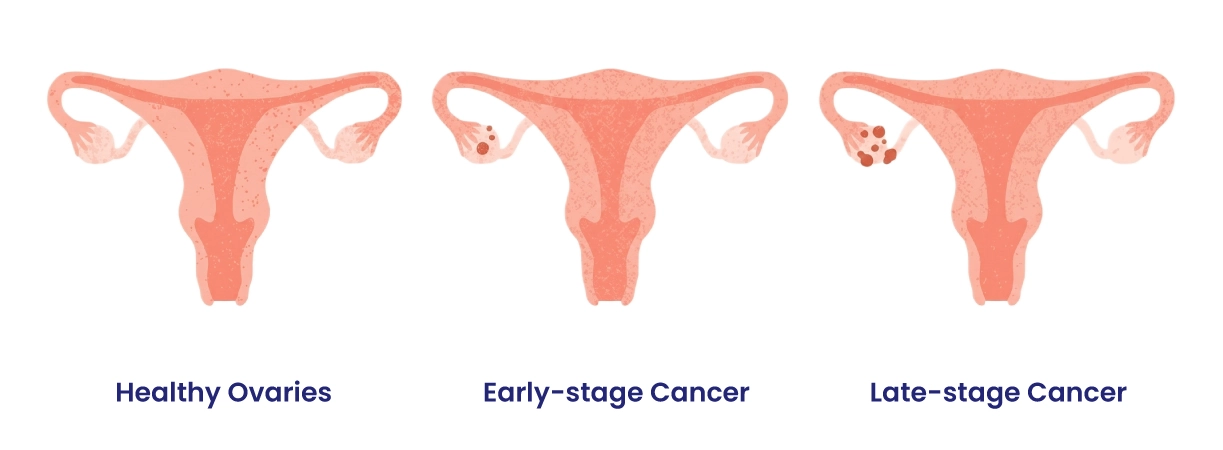
Ovarian cancer is often difficult to detect in its early stages because the symptoms can be vague and easily mistaken for everyday health concerns. However, recognising subtle changes in your body can make a meaningful difference in seeking timely medical advice.
This guide explains the early signs of ovarian cancer, highlights ovarian cancer symptoms, and helps you understand when to consult a doctor. The aim is to build awareness clearly and responsibly, without creating unnecessary alarm.
Understanding Ovarian Cancer and Why Early Detection Matters
Ovarian cancer develops in the ovaries, which are part of the female reproductive system and are responsible for producing eggs and hormones. In many cases, symptoms may not be obvious at the beginning. This is why early signs of ovarian cancer are sometimes overlooked.
Early detection does not always guarantee outcomes, but identifying ovarian cancer symptoms sooner may allow for more treatment options and better clinical planning. Awareness plays an important role, especially for women above 40 or those with certain risk factors.
Common Early Signs of Ovarian Cancer You Should Not Ignore
Recognising the early signs of ovarian cancer requires paying attention to symptoms that are persistent, unusual, and represent a change from your normal pattern.
Persistent Bloating
One of the most commonly reported ovarian cancer symptoms is ongoing bloating. This is different from occasional post-meal fullness. If your abdomen feels consistently swollen for weeks, it is worth discussing with a doctor.
Pelvic or Abdominal Pain
Mild, continuous lower abdominal or pelvic discomfort can be an early warning sign. While pain can occur for many reasons, persistent pain should not be ignored.
Difficulty Eating or Feeling Full Quickly
Loss of appetite or feeling full after eating small amounts may also be among the early signs of ovarian cancer. If this continues for several weeks, it should be evaluated.
Frequent Urination
A sudden increase in the need to urinate, especially without increased fluid intake, can be another subtle sign.
Unexplained Fatigue
Ongoing tiredness that does not improve with rest may be linked to several health conditions, including ovarian concerns.
Less Common but Important Ovarian Cancer Symptoms
In addition to the typical ovarian cancer symptoms, other signs may appear less frequently but still require attention.
Changes in Bowel Habits
Constipation or changes in digestion that persist can sometimes be associated with ovarian issues.
Back Pain
Lower back pain without a clear cause may occasionally be linked to pelvic conditions.
Menstrual Irregularities
Unexpected changes in menstrual cycles, especially in women who previously had regular periods, can be relevant.
Unexplained Weight Changes
Sudden weight loss or gain without lifestyle changes may need further evaluation.
These early signs of ovarian cancer can overlap with many non-serious conditions, which is why persistence and pattern are important indicators.
Risk Factors Associated with Ovarian Cancer
Understanding risk factors can help in identifying the likelihood of developing symptoms, though having a risk factor does not mean a person will develop the disease.
Some known factors include:
- Increasing age, especially after menopause
- Family history of ovarian or breast cancer
- Genetic mutations such as BRCA1 and BRCA2
- Personal history of certain cancers
- Hormonal factors
Even without these factors, ovarian cancer symptoms can still occur, so awareness remains important for all women.
When Should You See a Doctor for Ovarian Cancer Symptoms
It is advisable to consult a healthcare professional if you experience any of the following:
- Symptoms lasting more than two to three weeks
- Increasing severity of symptoms
- A noticeable change from your normal health pattern
Doctors may recommend evaluations such as physical examination, imaging tests, or blood tests depending on the situation. These steps help in understanding the cause of the early signs of ovarian cancer, though not all symptoms will lead to a cancer diagnosis.
How Ovarian Cancer Is Diagnosed
If ovarian cancer symptoms raise concern, doctors may suggest a combination of tests:
- Pelvic examination
- Ultrasound or imaging scans
- Blood tests such as CA-125
- Further diagnostic procedures, if required
Diagnosis is usually based on a combination of findings rather than a single test. This approach helps ensure accuracy while avoiding unnecessary interventions.
Why Early Signs of Ovarian Cancer Are Often Missed
The early signs of ovarian cancer are frequently subtle and can resemble common digestive or urinary issues. Many women may ignore these symptoms or try home remedies first.
Additionally, there is currently no routine screening test for ovarian cancer for the general population. This makes symptom awareness even more important.
Recognising repeated ovarian cancer symptoms and seeking timely advice can help reduce delays in evaluation.
Practical Tips to Stay Aware of Ovarian Health
Being proactive does not mean overthinking every symptom. It involves staying aware of your body and recognising changes.
- Track persistent symptoms in a simple diary
- Do not ignore discomfort that continues over time
- Attend regular health check-ups
- Discuss family medical history with your doctor
These steps can support early identification of early signs of ovarian cancer without causing unnecessary anxiety.
FAQs on Early Signs of Ovarian Cancer
Q: What are the most common early signs of ovarian cancer?
A: The most common early signs of ovarian cancer include persistent bloating, pelvic pain, difficulty eating, and frequent urination. These symptoms are usually noticeable when they continue for several weeks.
Q: Are ovarian cancer symptoms always severe?
A: Not always. Many ovarian cancer symptoms are mild in the beginning, which is why they may be overlooked or mistaken for common issues.
Q: How long should symptoms persist before seeing a doctor?
A: If symptoms last more than two to three weeks or worsen over time, it is advisable to seek medical advice.
Q: Can young women experience ovarian cancer?
A: While it is more common in older women, it can occur at any age. Any persistent early signs of ovarian cancer should be evaluated regardless of age.
Q: Is bloating always a sign of ovarian cancer?
A: No. Bloating is common and often linked to digestion. However, persistent bloating that does not improve may need medical evaluation.
Q: Is there a screening test for ovarian cancer?
A: Routine screening for the general population is not widely recommended. Doctors may suggest tests based on symptoms or risk factors.
Q: Can ovarian cancer symptoms come and go?
A: Yes, some ovarian cancer symptoms may appear intermittently, which can make them harder to recognise.
Q: Does having a family history increase risk?
A: Yes, a family history of ovarian or breast cancer may increase risk, especially with certain genetic factors.
Consult Dr. Nirmala Rai for Personalised Guidance
If you are experiencing persistent early signs of ovarian cancer or noticing ongoing ovarian cancer symptoms, seeking timely medical advice is an important step. While many symptoms may be linked to non-serious conditions, a proper clinical evaluation can help identify the cause and guide the next steps.
Dr. Nirmala Rai offers patient-centred consultations with a focus on careful assessment, clear communication, and evidence-based care. If you have concerns about your symptoms or risk factors, consider booking a consultation for personalised guidance and appropriate evaluation.
Taking action early supports a better understanding of your health and helps you make informed decisions with confidence.




Experience trusted women’s healthcare with Dr. Nirmala Rai, delivering personalised treatment, advanced expertise, and compassionate support at every step.


© 2026 | Dr. Nirmala Rai | All rights reserved | Digital Marketing by Remedo